
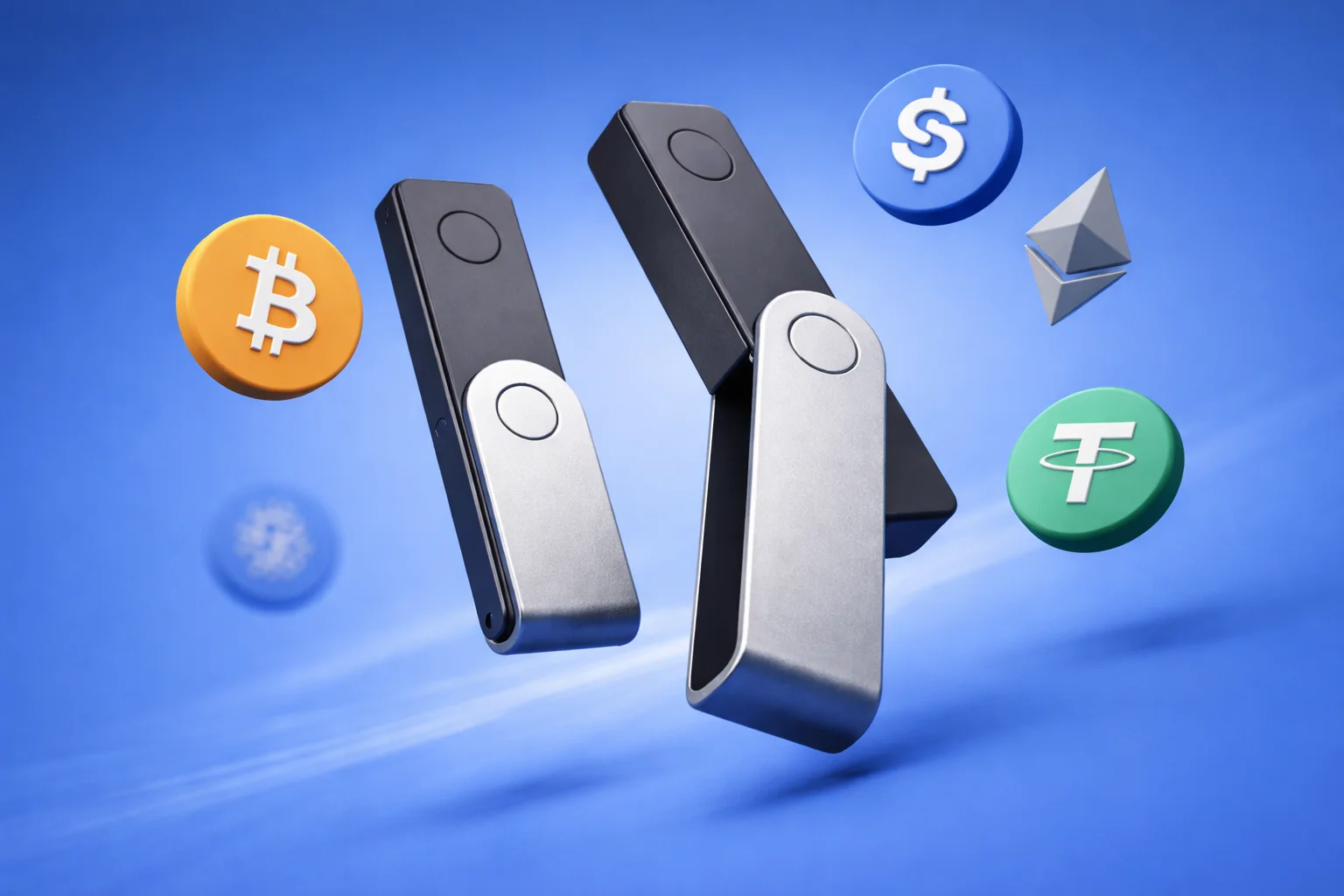
Deciding between the Ledger Nano S vs Nano X in 2026 isn’t as simple as it seems, especially with the Nano S discontinued and the Nano S Plus stepping in as its replacement.
Choose the wrong model, and you might end up with limited app storage, no Bluetooth support, or a device that doesn’t match your DeFi or mobile-first lifestyle. These minor frustrations can slow down your cryptocurrency management and make daily tasks feel harder than they should.
This guide compares the Ledger Nano S, Nano X, and the updated Nano S Plus to help you quickly understand the key differences in security, storage, connectivity, and price so that you can choose the right Ledger wallet for your needs.
Table of Contents
Ledger Nano S vs Nano X at a Glance
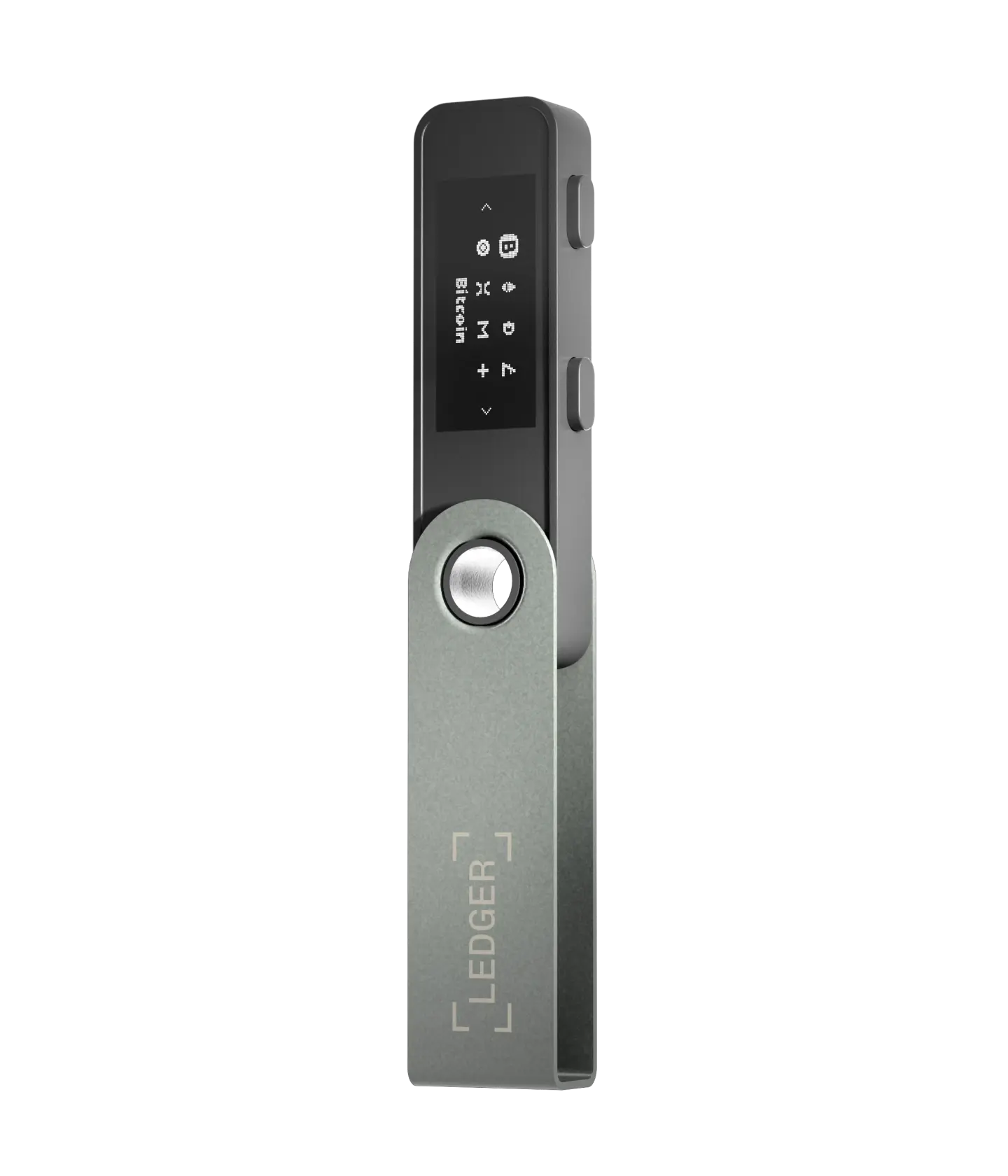 Ledger Nano S | 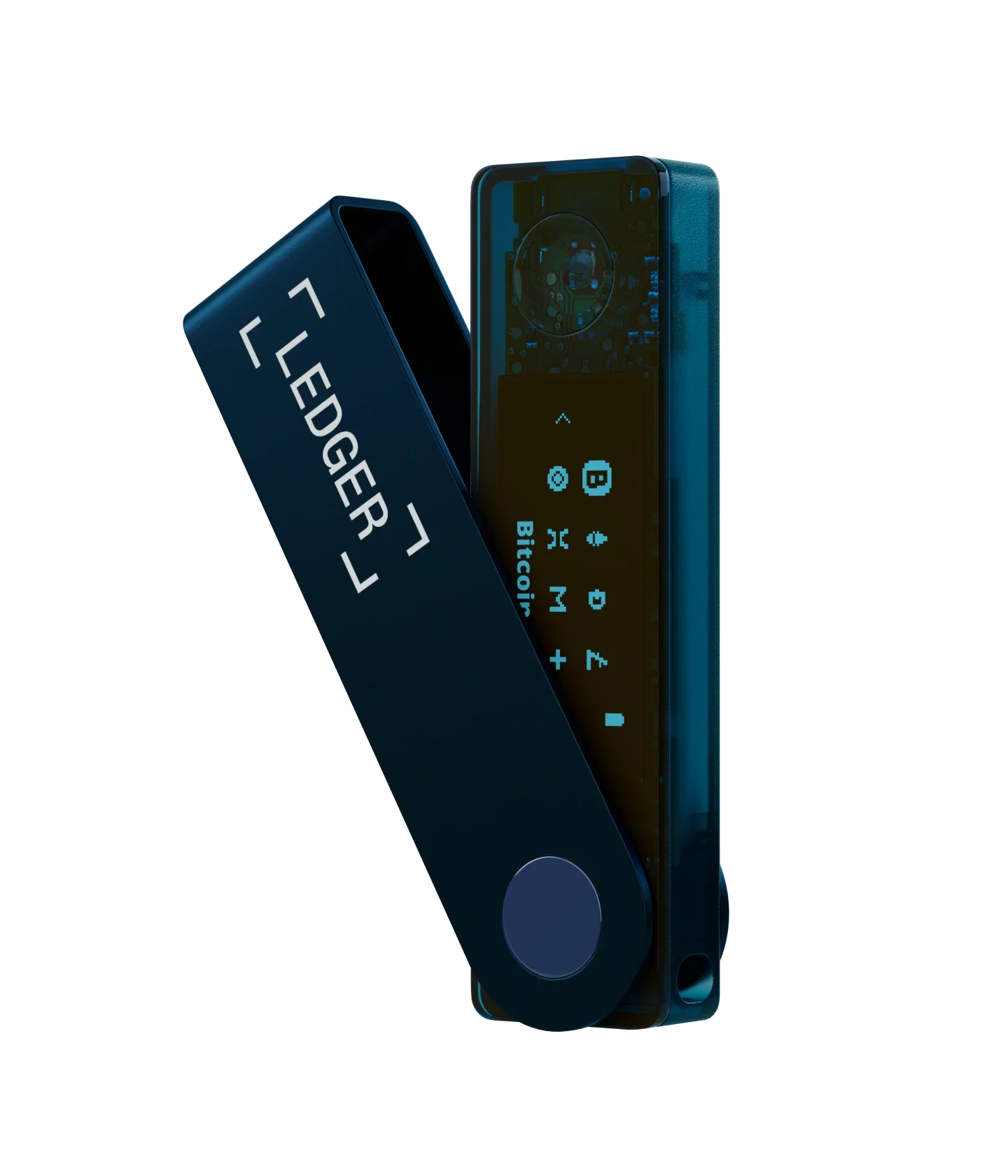 Ledger Nano X | |
|---|---|---|
| Security | CC EAL5+ secure element; same core protection as the Nano X | CC EAL5+ secure element; same security level as S Plus |
| Connectivity | USB-C only; no Bluetooth support | USB-C + Bluetooth; designed for wireless mobile use |
| App Storage | Large app capacity; enough for most multi-chain users managing multiple cryptocurrencies | Largest storage of all Ledger wallets; ideal for heavy DeFi, NFT, and staking users |
| Screen | Larger screen than the original Nano S for more straightforward navigation | Clear, easy-to-read display suited for frequent daily use |
| Mobile Support | Works with Android and iOS via cable; best for desktop-first users | Full wireless experience with Bluetooth; perfect for on-the-go management using the Ledger live mobile app |
What Are Ledger Hardware Wallets?
When comparing the Ledger Nano S vs Nano X, one thing is clear: both are physical devices that store your cryptocurrency offline, making them one of the safest ways to protect your digital assets. Instead of keeping your private keys on an internet-connected device (such as a phone, computer, or exchange account), Ledger stores them inside a secure element chip, isolated from online threats.
These wallets work together with Ledger Live, the companion app where you manage your coins, install crypto apps, track your portfolio, and approve transactions. Every transaction must be physically confirmed on the device, ensuring your private keys never leave the wallet and are never exposed online.
In short, Ledger hardware wallets provide:
- Cold storage protection against hacks & malware.
- Full control over your private keys.
- Wide compatibility with cryptocurrencies, DeFi apps, and NFTs.
This approach reflects why Ledger products have earned a strong reputation among cryptocurrency enthusiasts seeking secure access to blockchain technology.
Ledger Nano S (Legacy): What It Was and Why It’s Discontinued
The Ledger Nano S was Ledger’s original entry-level hardware wallet and one of the most widely used devices in the crypto industry. It gained popularity for offering robust security at an affordable price.
What does the Ledger Nano S offer?
- Secure cold storage for crypto assets;
- CC EAL5+ secure element, the same security standard used in modern Ledger devices;
- Simple two-button interface;
- Support for thousands of cryptocurrencies.
Why the Nano S Became Limiting?
As crypto use expanded, several limitations became hard to ignore:
- Minimal app storage (often only 3–5 apps at once);
- Small display, making navigation less intuitive;
- Old micro-USB port, not ideal for modern devices;
- Not well-suited for DeFi, NFTs, or multi-chain use.
These constraints made the Nano S less compatible with today’s Web3 workflows.
Ledger Nano S Plus: The True Successor to Nano S
The Ledger Nano S Plus is the modern replacement for the discontinued Nano S, designed to address all the limitations of the original model while maintaining the exact affordable, beginner-friendly pricing.
Since the original Nano S is no longer sold, the Nano S Plus is the device most users should consider when seeking a budget-friendly Ledger wallet. It keeps the same high security standards as the Nano X but offers a lower price, making it ideal for new crypto holders or users who prefer desktop management over mobile.
In other words, if you’re searching “Ledger Nano S vs Nano X,” what you’re really comparing today is Nano S Plus vs Nano X.
Nano S Plus Improvements Over Nano S
The Nano S Plus introduces several significant upgrades that make it far more usable in 2026:
1. More Memory
The Nano S Plus offers significantly larger app storage, allowing users to install multiple blockchain apps simultaneously. This solves the most significant issue of the old Nano S, which could only handle 3–5 apps simultaneously.
2. Bigger Screen
A larger, more transparent display makes navigation easier and reduces input errors. This is especially important when verifying transaction details or interacting with multiple wallets.
3. Modern USB-C Port
The Nano S Plus replaces the outdated micro-USB port with a USB-C connection, making it compatible with modern laptops, tablets, and phones.
These improvements bring the device up to the standard expected by today’s crypto users while maintaining its entry-level pricing.
Who Should Choose the Nano S Plus?
- Beginners: A great introduction to hardware wallets without the higher cost of the Nano X.
- Users who don’t need Bluetooth: If you mainly manage crypto on a desktop or don’t care about mobile convenience, the S Plus covers all your needs.
- Desktop-first users: The Nano S Plus is perfect for users who prefer managing assets via Ledger Live on Windows or macOS rather than on a smartphone.
Ledger Nano X: Ledger’s Premium Wallet Explained
The Ledger Nano X is Ledger’s flagship hardware wallet and the most advanced model available in 2026. While the Nano S Plus focuses on affordability, the Nano X focuses on performance, flexibility, and a mobile-first experience, making it the stronger choice for users who interact with crypto daily.
Standout Features of Ledger Nano X
1. Bluetooth Connectivity
The Nano X features Bluetooth, enabling wireless connection to Ledger Live on both iOS and Android devices. This makes it the only Ledger device that supports a fully wireless mobile experience, perfect for users managing crypto on the go.
2. Largest App Capacity
The Nano X offers the largest memory of any Ledger wallet. You can install multiple blockchain apps simultaneously, well-suited for:
- Multi-chain wallets;
- DeFi users;
- NFT collectors;
- Staking enthusiasts.
No more uninstalling apps to switch networks.
3. Best Mobile Performance
Thanks to Bluetooth, a more powerful chip, and increased storage, the Nano X delivers the smoothest experience when using Ledger Live on mobile. You can sign transactions, manage assets, and interact with Web3 apps more efficiently than with any other Ledger device.
Who Is the Ledger Nano X Best For?
- Multi-chain active users: If you frequently switch between networks (Ethereum, BNB Chain, Polygon, Solana, etc.), the Nano X handles multi-app workflows effortlessly.
- DeFi and NFT power users: The extra storage and Bluetooth support make the Nano X perfect for interacting with DeFi platforms, NFT marketplaces, staking dashboards, and Web3 tools.
- People who manage crypto on mobile: The Nano X is the best hardware wallet for smartphone users, offering a complete wireless experience that the Nano S Plus cannot match.
If you’re using a Ledger Nano X for the first time, this step-by-step guide explains how to set up Ledger Nano X securely from start to finish.
Ledger Nano S Plus vs Ledger Nano X: Side-by-Side Breakdown
When comparing the Ledger Nano S Plus or Ledger Nano X, the most significant differences are not in security but in overall usability. Here’s a clear breakdown to help you understand how these two models behave in real-world use.
1. Security Comparison
Both the Nano S Plus and Nano X offer the same hardware-level security, utilizing Ledger’s certified secure element to safeguard your private keys. The difference lies in how you interact with the device, not in its security.
Regardless of which model you choose, your cryptocurrency remains equally protected.
2. Supported Blockchains & Assets
Both wallets support 10,000+ cryptocurrencies, including Bitcoin, Ethereum, Solana, and major EVM chains. They run on the same Ledger Live ecosystem, meaning you get identical asset coverage, update frequency, and Web3 compatibility. The only difference is the number of blockchain apps that can be installed at once.
3. App Storage & Device Memory
- Ledger Nano S Plus: Offers ample storage and supports multiple blockchain apps simultaneously. Great for users with moderate multi-chain activity.
- Ledger Nano X: Offers the largest storage capacity of any Ledger device, making it the better choice for individuals who manage multiple networks, DeFi protocols, and NFT apps without needing to constantly uninstall apps.
4. Connectivity: USB vs Bluetooth
- Nano S Plus: Works via USB-C only. Excellent for desktop-first users and those who prefer a wired, more predictable connection.
- Nano X: Adds Bluetooth, enabling wireless management through Ledger Live on both iOS and Android. This makes it a more flexible wallet for travel, mobile usage, and quick on-the-go transactions.
5. Ease of Use & Interface
Both devices offer transparent screens and simple navigation, but the Nano X provides a smoother and more modern experience, primarily when used in conjunction with a smartphone.
If you frequently interact with Web3 apps on mobile, the Nano X provides a more comfortable workflow. If you primarily sign transactions on a laptop, the S Plus works perfectly.
Price & Value
When it comes to price and value, the Ledger Nano S Plus and Ledger Nano X cater to two distinctly different user needs.
At $79, the Nano S Plus delivers exceptional value. It offers modern specs, strong security, and enough storage for everyday multi-chain use. For users who primarily manage crypto on a desktop or want affordable cold-storage protection, it’s the most cost-effective Ledger option.
Priced at $149, the Nano X costs more but offers meaningful upgrades, including Bluetooth, increased app capacity, and the smoothest mobile experience. If you frequently use DeFi, NFTs, or manage assets on the go, the extra convenience and flexibility justify the higher price.
FAQ
Can I transfer my assets from a Nano S to a Nano S Plus or Nano X?
Yes. Your assets are tied to your 24-word recovery phrase, not the device itself. Simply enter the exact recovery phrase on your Nano S Plus or Nano X, and all your crypto accounts will automatically restore.
Does the Nano X battery affect long-term security?
No. The Nano X battery has no impact on private key security; your keys remain locked inside the secure element even if the battery degrades or the device runs out of power. A dead battery simply means you need to plug the device in to use it.
Do Ledger wallets support staking directly from the device?
Yes. Ledger devices enable staking through Ledger Live for assets such as Ethereum, Polkadot, Solana, and others, depending on the network’s support. You can also stake additional assets using third-party apps connected to your Ledger.
Final Verdict: Ledger Nano S vs Nano X?
When it comes to Ledger Nano S vs Nano X, the real decision is about how you plan to use your crypto in 2026.
If you want the best balance of security and price, the Ledger Nano S Plus is the smart pick. However, if you require a wallet that accommodates active multi-chain use, DeFi, NFTs, and mobile convenience, the Ledger Nano X is the stronger, more flexible option.
Before making a choice, always conduct your own research and consider how you prefer to access your crypto daily.