

Worried about messing up when sending Bitcoin? You’re not alone. Copying the wrong address, picking the wrong Withdraw option, or choosing the wrong network can put your coins at risk. And unlike a bank transfer, there’s no Undo button in crypto.
It gets harder when you move funds between different wallets or platforms. Each one hides buttons in different places, labels things oddly (“Receive”, “Note”, “Address”, “Transfer”), and doesn’t always warn you about common pitfalls.
This guide strips the process down to the steps that matter. By the end, you’ll know how to send Bitcoin to another wallet safely, including how to transfer Bitcoin from Binance to another wallet address.
Table of contents
What You Need Before Sending Bitcoin to Another Wallet
1. A Bitcoin-Compatible Wallet (Custodial or Non-Custodial)
You can send from an exchange wallet (custodial), like the one in your Binance account, or from a self-custody wallet (non-custodial) such as Ledger Live or Trust Wallet. Either way, check that the wallet supports sending BTC and lets you withdraw to external addresses.
Our Coinbase Wallet review covers one of those self-custody options in detail.
If it’s a self-custody wallet, you’ll also need access to your private keys or seed phrase. Without them, nobody can recover the wallet for you.
2. The Recipient’s Wallet Address
This is the deposit address of the person or platform you’re sending BTC to. Paste it into the address field or scan the QR code with your phone. Then double-check it before you confirm. One wrong character sends your Bitcoin to the wrong address, permanently.
Sending Bitcoin to Coinbase? Copy the right address from your account. Here’s how to find your Coinbase wallet address.
3. Enough BTC in Your Wallet
Your balance must cover both the amount you’re sending and the network fee. It’s easy to overlook, but withdrawing crypto isn’t free.
*Optional: Know How Transaction Fees Work
Bitcoin network fees rise and fall with demand. You don’t need to study the details, but two facts will save you surprises: fees go to miners, and your transaction won’t confirm without one. Wallets like Ledger Live show a fee estimate and let you choose between faster or cheaper options.
Those miners run dedicated programs, and a roundup of bitcoin mining software explains what they do.
Main Ways to Send Bitcoin to Another Wallet
How you send Bitcoin depends on where you keep it. The most common options:
- Through a centralized exchange such as Binance, Coinbase, or Kraken;
- Via a mobile or desktop wallet like Trust Wallet, Exodus, or Electrum;
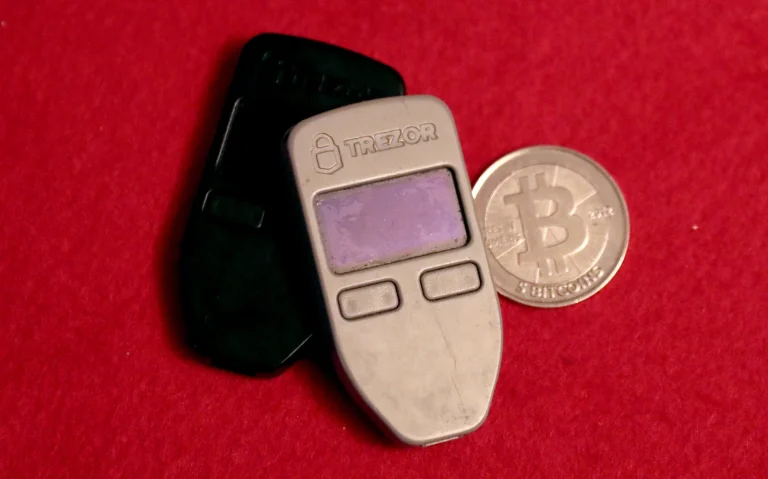
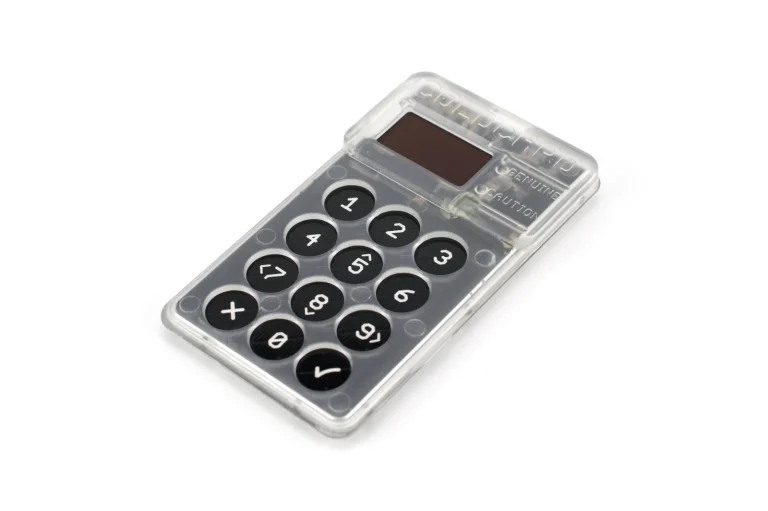
- Using a hardware wallet like the Ledger or Trezor;
- With third-party services such as Strike, BitPay, or PayPal;
- Through peer-to-peer platforms that support wallet transfers.
Each method trades off control, security, and fees differently. Whichever you pick, make sure it supports the Bitcoin network and lets you complete the withdrawal safely.
Universal Steps to Send Bitcoin to Another Wallet
Step 1. Access Your Wallet or Exchange
Log in to your Bitcoin-compatible crypto wallet or exchange account. Check that security features like 2FA are switched on before you move any funds. Depending on your setup, you may need to unlock the app or connect a hardware wallet like Ledger.
Step 2. Find the Send or Withdraw Option
Look for a section labeled Send, Withdraw, or Transfer Crypto. It usually sits under the main Wallet or Assets tab. This is where the withdrawal starts.
Step 3. Enter the Recipient’s Bitcoin Address and Network
Paste or scan the recipient’s wallet address into the address field. Double-check it: BTC sent to the wrong address can’t be reversed. Then select the BTC network (not BEP20, ERC20, or anything else).
The wrong network can mean permanent loss, so check both details once more before you continue.
The same check applies to every coin, and choosing the right network when sending crypto explains how to confirm it.
Step 4. Choose the Amount and Review Fees
Enter the amount of Bitcoin you want to send. You’ll see the estimated network fee and the total that leaves your wallet. Some platforms let you pick a fee tier by speed: a higher fee means faster confirmation.
Moving ETH instead? The screens differ a little, so see how to send Ethereum to another wallet.
Step 5. Confirm and Authorize the Transaction
Click Withdraw or Send, then complete the security checks: email confirmation, 2FA, or approval on your hardware device. Once submitted, the Bitcoin network takes over and processes the transaction.
Step 6. Track the Transaction
Use the transaction ID (TXID) you receive to follow its progress. Paste it into a blockchain explorer like Blockchain.com to confirm the funds reached the recipient’s wallet.
Next, we’ll walk through these same steps on Binance, Trust Wallet, and Ledger Live, so you know exactly where to click, tap, or paste.
Applied Example: How to Send Bitcoin from Binance to Another Wallet
Step 1. Log in to Your Binance Account

Sign in to your Binance account. If you haven’t registered yet, create an account and complete the security verifications, including KYC. Without a verified account, Binance won’t let you manage or withdraw crypto.
Step 2. Go to the Crypto Withdrawal Section
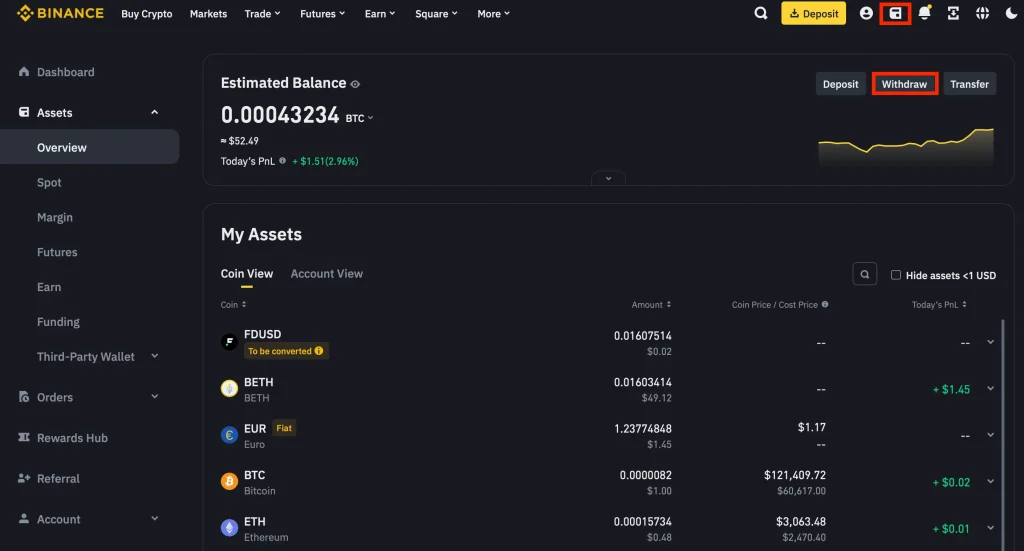
From your Binance dashboard, go to Wallet > Fiat and Spot, then click Withdraw. In the Binance app, find it through the menu bar or by tapping your profile icon and choosing Withdraw from the drop-down menu.
Select Withdraw Crypto, choose Bitcoin (BTC) from the asset list, and continue.
Step 3. Add the Recipient’s Wallet Address & Choose Network, Enter the Amount, and Confirm the Transfer
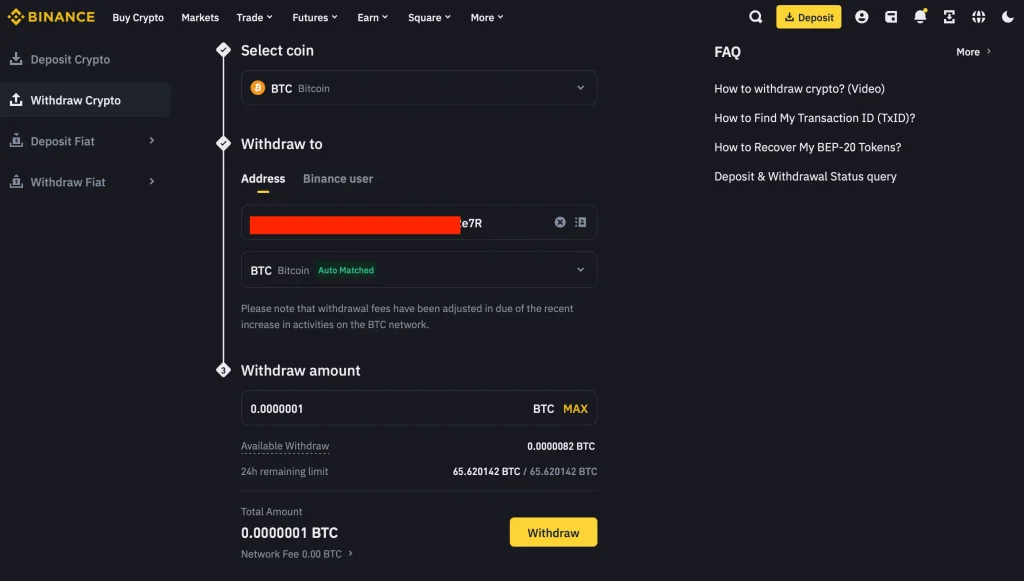
Paste the recipient’s wallet address into the address field or scan their QR code. Make sure the withdrawal network matches the deposit network: for Bitcoin, that’s the BTC network. A mismatch means permanent loss of funds.
Double-check the address and the network before you continue. Binance shows the network fee here too (typically $1–$5, depending on congestion).
Enter how much Bitcoin you want to send. Binance calculates the fee and shows the final amount the recipient will get. Click Withdraw, complete the security verification (such as 2FA), and confirm. Binance then issues a transaction ID (TXID) so you can track the transfer.
Step 4. Wait for Confirmation and (Optional) Verify Delivery
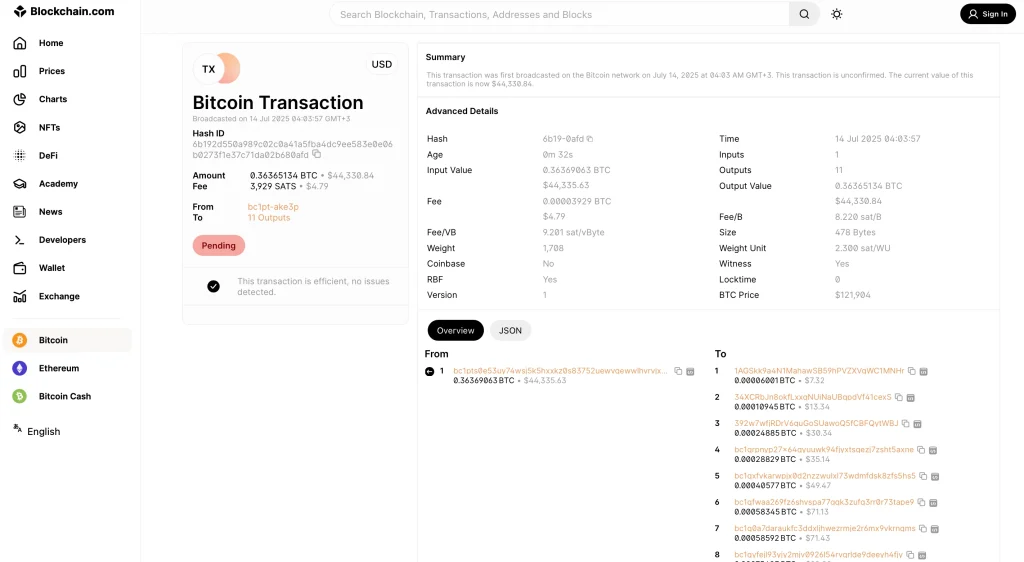
Once submitted, the transaction is processed on the blockchain. Depending on network congestion and the fee you chose, it can take anywhere from a few minutes to an hour.
To confirm the transfer:
- Track the TXID in a block explorer;
- Check the recipient’s crypto wallet (or the Ledger Live app if it’s a hardware wallet);
- Watch for a withdrawal notification from Binance.
Applied Example: How to Send Bitcoin from Trust Wallet to Another Wallet
Step 1. Open Trust Wallet and Access Your Bitcoin Wallet
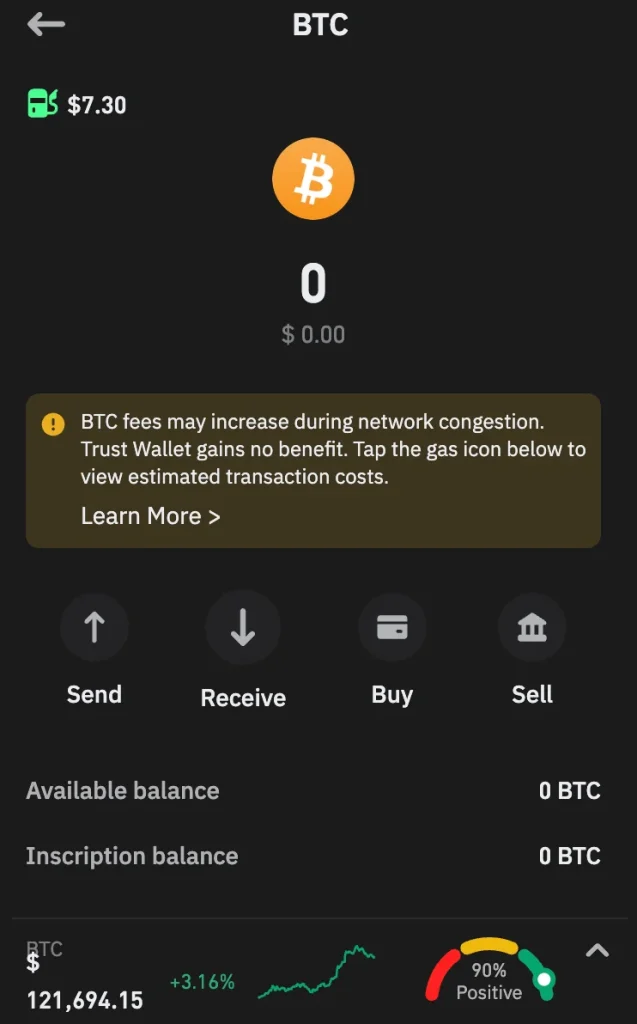
Open the Trust Wallet app on your phone (or the browser extension) and select Bitcoin from your asset list. This opens your BTC wallet, showing your balance and transaction history.
Step 2. Initiate the Transfer, Enter Recipient Details, Specify the Amount, and Review Fees
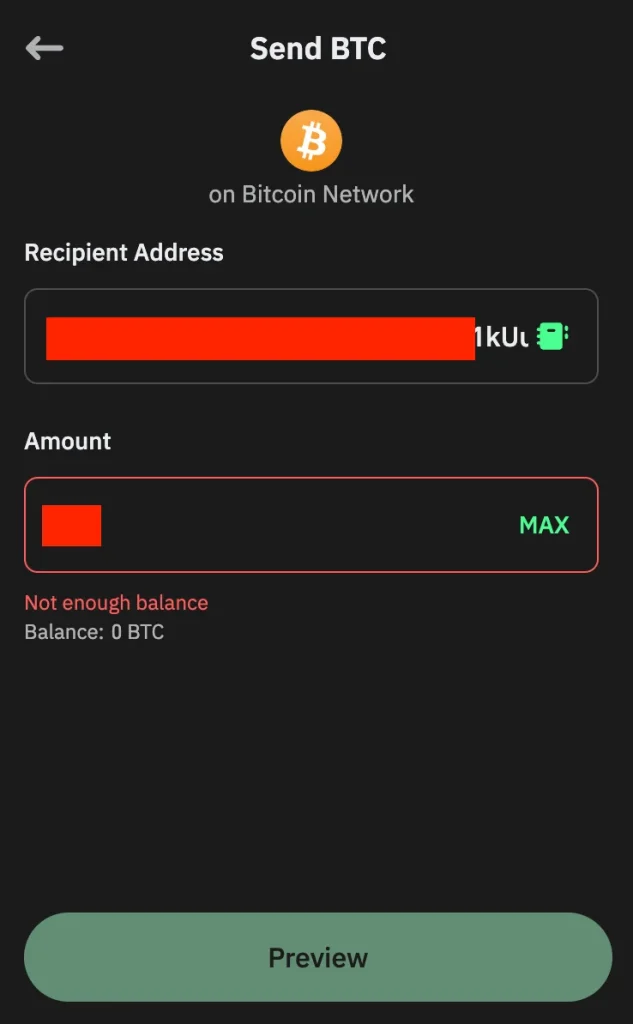
Tap Send. In the address field, paste the recipient’s Bitcoin address or scan their QR code. Double-check the address before moving on.
Enter the amount of BTC to send. Trust Wallet calculates the network fee automatically based on current congestion. Review the total cost and make sure it’s what you expect.
Step 3. Confirm and Complete the Transaction
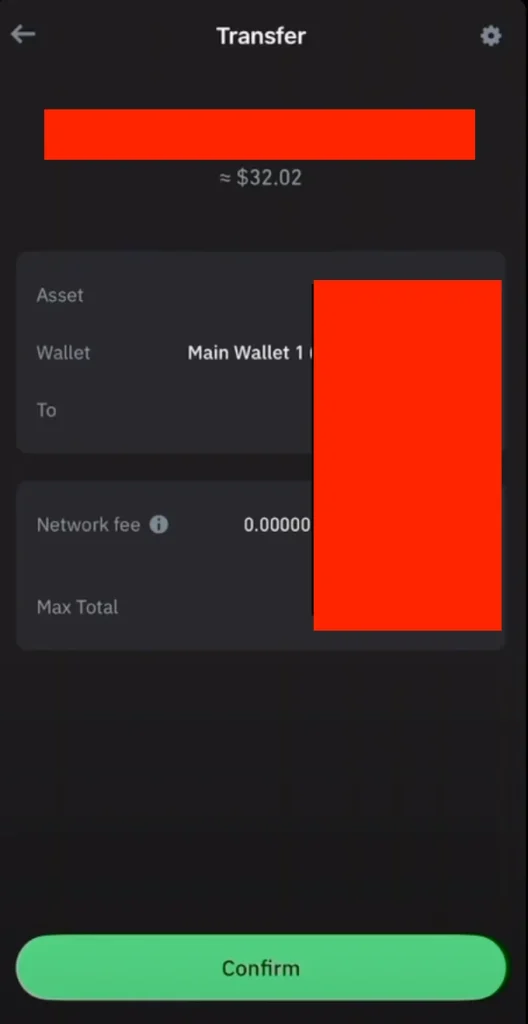
Once the address and amount look right, tap Preview, then Confirm. Trust Wallet broadcasts the transaction and gives you a transaction ID so you can follow its confirmation status on the blockchain.
After confirmation, the Bitcoin appears in the recipient’s wallet. The same process works for sending BTC to any other Bitcoin-compatible wallet.
Applied Example: How to Send Bitcoin from Ledger Live to Another Wallet
Step 1. Open Ledger Live and Select Your Bitcoin Account
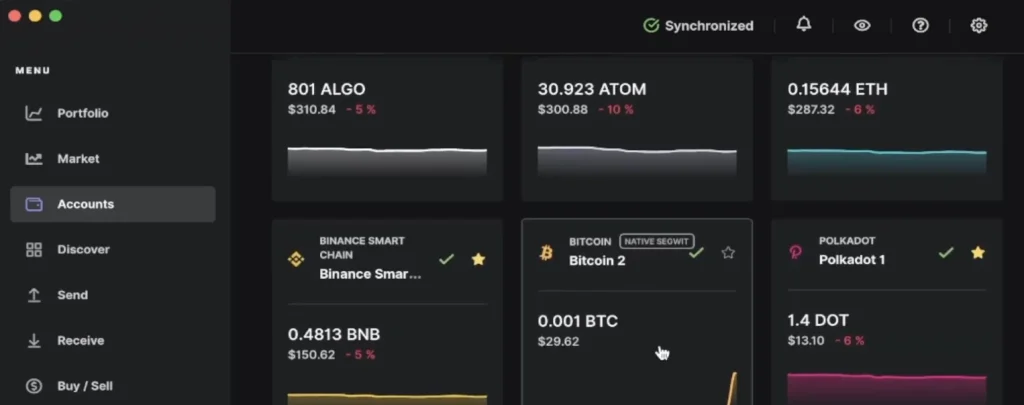
Open Ledger Live and go to the Accounts tab. Choose the Bitcoin account you want to send from.
If the app is new to you, the Ledger Live review covers what it does beyond sending.
Step 2. Tap “Send” and Fill Out the Transfer Details
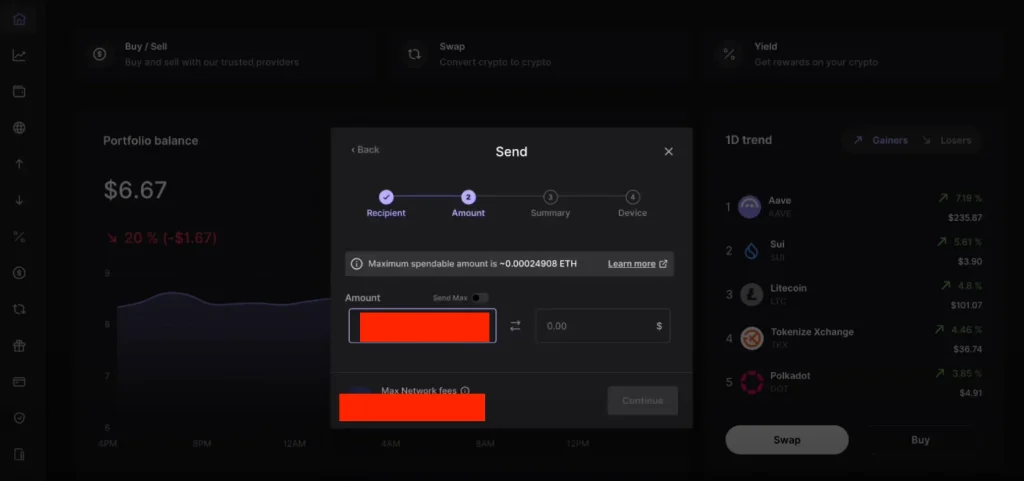
Click or tap Send, then paste the recipient’s Bitcoin address into the address field. You can also scan a QR code if one is available. Double-check the address before you go on.
Enter the amount of BTC to send. Ledger Live estimates the network fee from current blockchain traffic, and you can pick a different network or fee level from the dropdown menu. Choosing the correct network matters: the wrong one can mean a failed or lost transaction.
Step 3. Connect Your Ledger Device and Confirm the Transfer
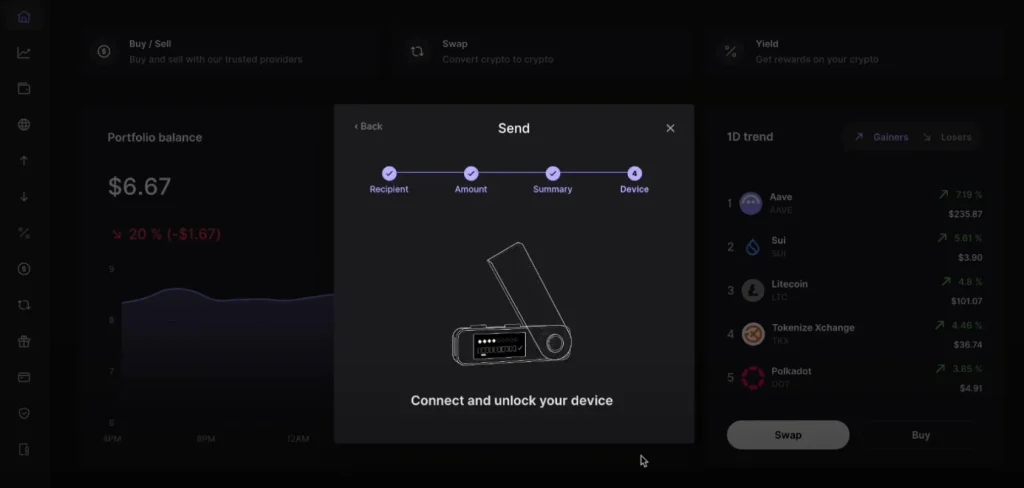
Connect your Ledger device and verify everything on its screen. This is the step that makes a hardware wallet worth having: nothing goes out unless you approve the amount, recipient address, and network on the device itself. Check each one, then approve the transaction.
Step 4. Check Status and Save the Transaction File (Optional)
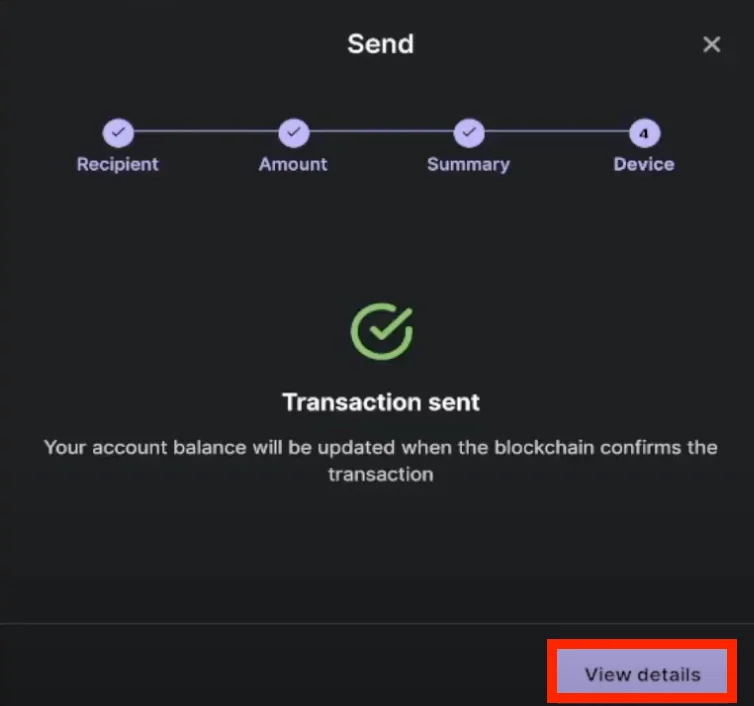
After sending, you’ll see the transaction status in Ledger Live. You can also view and save a transaction file for your own records or for compliance. Use the transaction ID to track progress on a block explorer.
FAQ
What Is a Bitcoin Wallet Address?
A Bitcoin wallet address is a unique string of letters and numbers used to receive Bitcoin. Think of it as a digital account number tied to a specific wallet, whether that wallet lives on an exchange, in a mobile app, or on a hardware device. Each address belongs to one blockchain and must match the network you use for the transfer.
Can You Send Money with Bitcoin?
Yes. Bitcoin lets you send value directly to another person’s wallet. Instead of a bank account number, you send to their Bitcoin address. The transfer is peer-to-peer, works anywhere in the world, and is often faster and cheaper than a bank transfer, depending on network fees at the time.
Where Do I Find the Recipient’s Bitcoin Address?
Ask the recipient to open the Receive or Deposit section of their wallet or exchange account. They’ll find a long string of letters and numbers, often with a QR code. Before you send, confirm it’s the right address and on the right network, or you risk losing the funds.
Can I Send Bitcoin to a Wallet on a Crypto Exchange Like Crypto.com?
Yes. You can send Bitcoin to wallets hosted on exchanges like Crypto.com, Binance, or Coinbase. Use the Bitcoin deposit address from that platform and select the Bitcoin network for the transfer. The wrong network can mean losing your BTC for good.
Can I Send Bitcoin to Someone Without a Wallet?
No. To receive Bitcoin, the other person needs a valid Bitcoin address, and only a crypto wallet can generate one. If they don’t have a wallet yet, they’ll need to set one up through an exchange or wallet app before you can send them any BTC.
Conclusion
That should clear things up. Next time you tap Withdraw or copy an address, you’ll know exactly what to look for. Whether you’re receiving or sending, getting the basics right keeps your Bitcoin safe and your stress level low.
Double-check the network, review the amount, and confirm the recipient’s details before you hit Send. These quick habits prevent costly, irreversible mistakes.
And if you’re ever unsure? Pause. Triple-check. Then tap with confidence.
How I review: Reviewed by Andrei B. I buy the hardware wallets I review, test every product myself and score it on security, UI/UX, ease of use, price and supported coins. Before I publish, I also check recent user reviews and any hack reports.
The whole process is explained on the How We Review page. You can read more about me, or contact me with corrections, from the links at the bottom of this page. For general safety advice, see the FTC guide to cryptocurrency scams.