

Think of it as your recovery words, stamped into metal instead of scribbled on a card. Paper loses to a fire and it loses to a burst pipe, while a steel plate shrugs off both.
Hold coins in a wallet you control yourself and there’s no help desk to call when the device dies, walks off in someone’s pocket, or simply stops charging one Tuesday morning. Those words are the whole safety net. We’ll walk through what these plates are, the four ways they capture your phrase, whose designs came through real torch-and-acid testing, and where the money goes between $29.97 and $99 at the time of writing (September 2026).
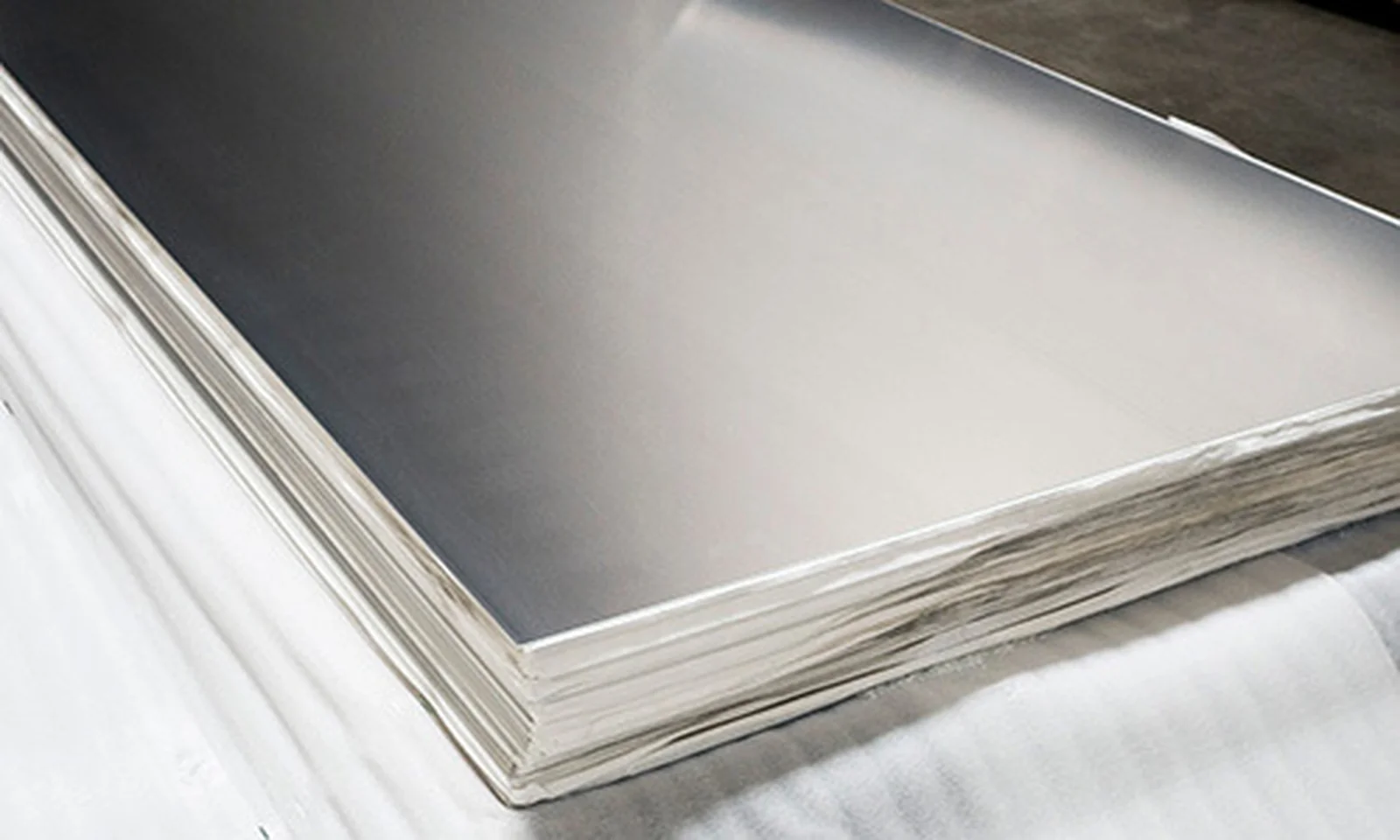
Table of contents
A Steel Seed Phrase Backup, in Plain Terms
At setup, your wallet hands you a short list of words. That’s the seed phrase, and whoever holds it can drain your coins from a laptop on the other side of the planet. Putting that list into metal means a burnt-out kitchen or a flooded basement doesn’t also cost you the wallet.
Nearly all wallets stick to one convention, BIP39. Phrases run 12, 15, 18, 21, or 24 words, generated from somewhere between 128 and 256 bits of entropy, and every word points at a slot in one fixed list of 2048 words.
Here’s the handy part. Per the BIP39 text, four letters are enough to pin down any word in that list with no ambiguity left over. So 24 words collapse into 96 characters, and that’s the reason so many plates ship with exactly 96 slots.
Trezor owners will run into a second convention, SLIP39. Rather than one phrase, you end up with several shares, and recovery needs some agreed number of them. Find a single share on its own and you’ve found nothing usable.
How Steel Backups Get Your Words Onto Metal
Four methods, one job. Which one a maker picked tells you far more than any of the copy on the box, because that choice decides what’s left when the thing gets dropped, torched or squashed.
- With sliding tiles you drop a pre-engraved metal chip into the frame for each character, one at a time. Billfodl and the Keystone Tablet Plus both do it this way, and they’re by far the fastest to fill.
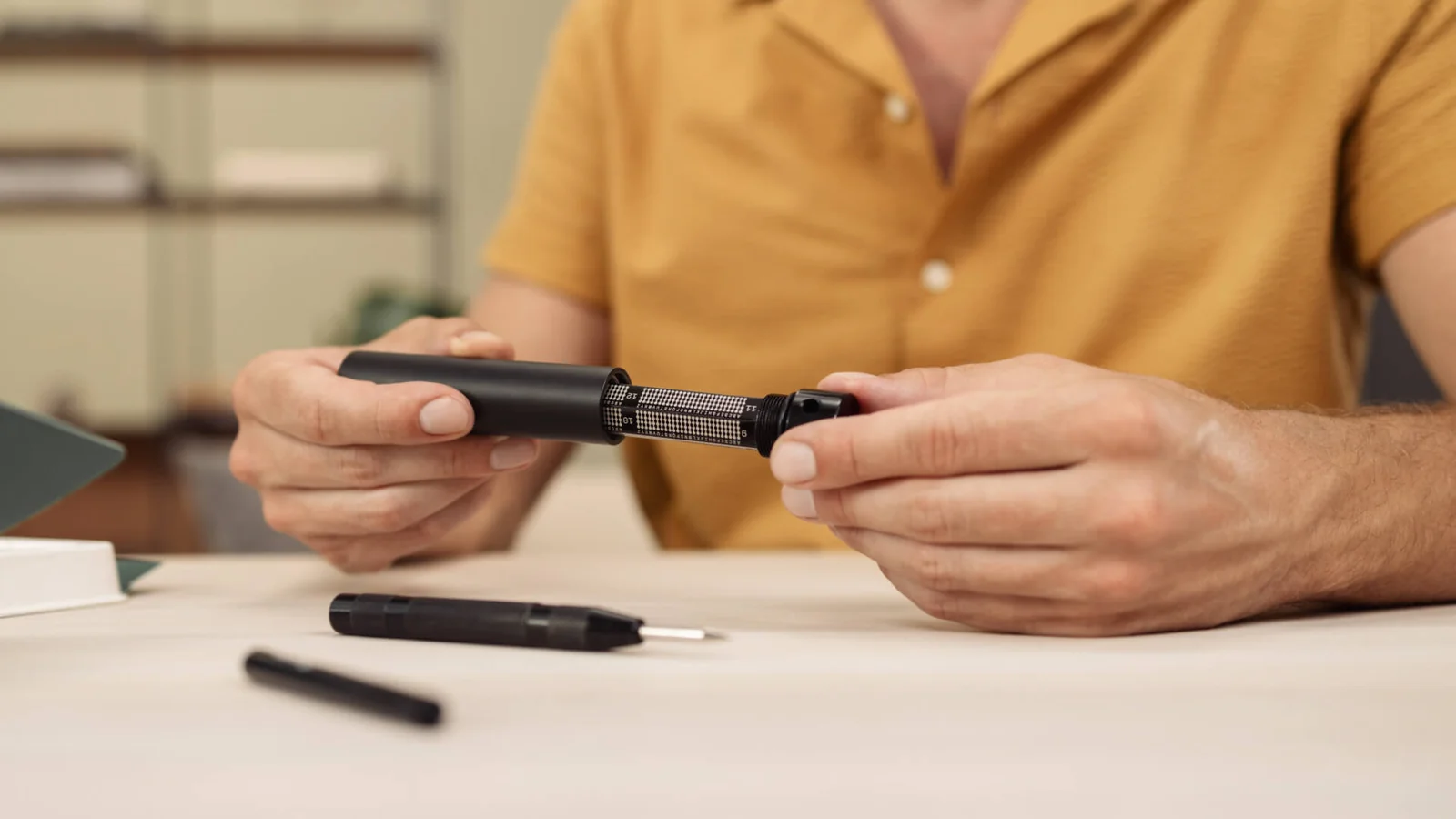
- Punching means pressing a spring-loaded tool against a printed grid until it leaves a dent that isn’t coming out. Trezor Keep Metal, Coinplate Alpha, Cryptotag Zeus and Tinyseed have all gone this route.
- Etched plates arrive with the grid already burned in, and you only mark your own cells. Coinkite cuts and etches the SEEDPLATE in Canada, then colors the marks black to keep them legible.
- Then there’s hammer stamping, where a letter die gets struck by hand, character by character. Miss once and that character is ruined.
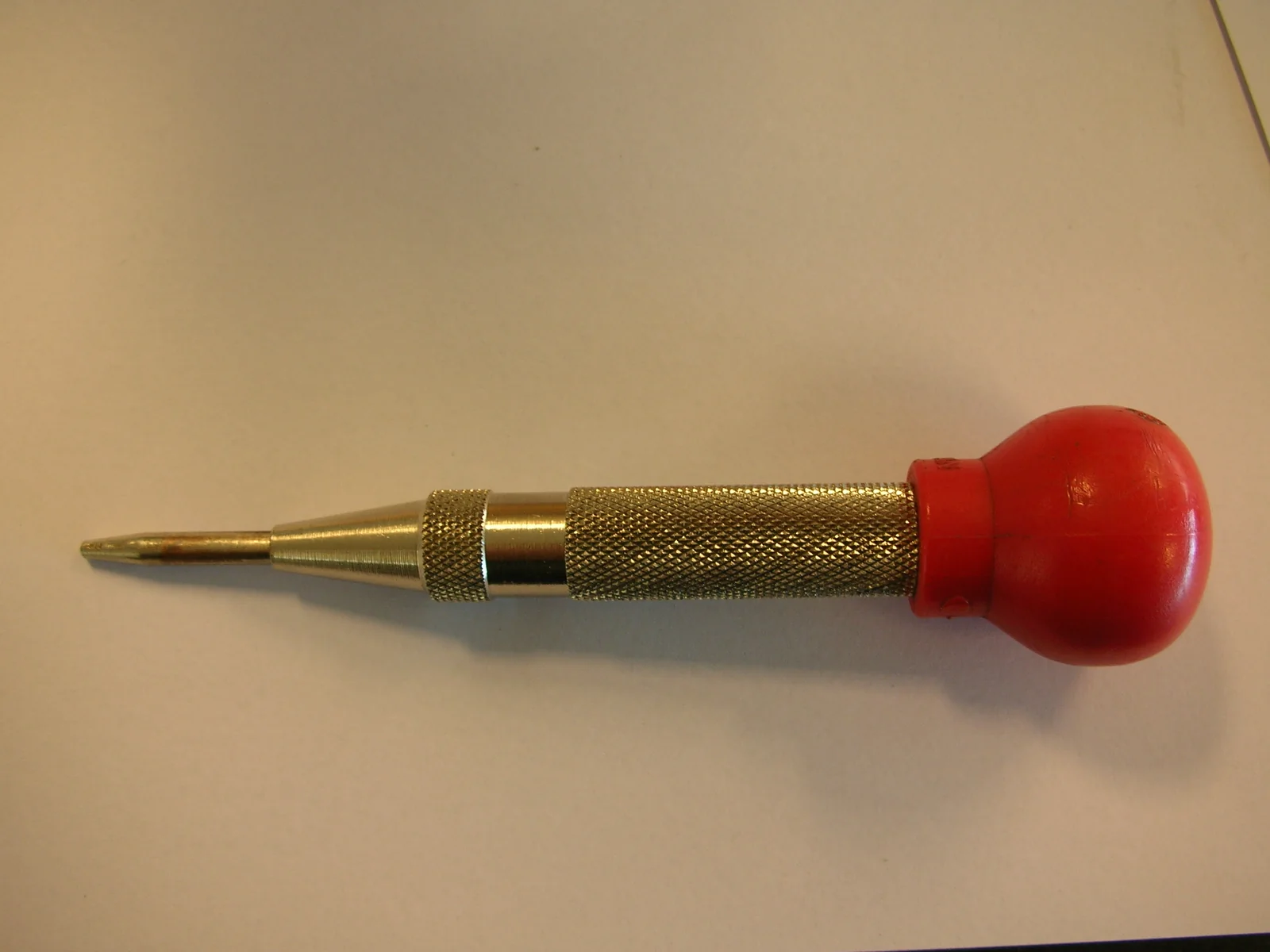
Since July 2018, Jameson Lopp has been putting these devices through torture tests, and his design treatise landed on 13 August 2022. Two marking methods get his blessing and no others: electrolysis etching, or a center punch. Stamping, he reckons, invites crooked characters and bruised thumbs, plus the jigs that hold the plate steady give out somewhere around 400 strikes.
A couple of makers dodge letters altogether. Zeus plates carry each word’s BIP39 index number instead. Tinyseed pushes that idea harder by punching every index in binary, leaving a plate covered in dots that gives away nothing about what it holds.
Whatever you buy, the routine barely changes. Words come off the hardware wallet’s own screen, go onto the metal, then you close the device up and restore from that metal to confirm you copied it right. Keyboards, phone screens and camera rolls stay out of it completely.
Seed phrases don’t offer take-backs, so whoever reads yours can move your funds, and if crypto goes out to the wrong address or over the wrong network then it’s gone and nobody can reverse it.
Where Paper Gives Up, and Where Bad Metal Does Too
By Lopp’s reckoning, a typical house fire sits near 1,100°F. Card and paper vanish well under that. His opening test, dated 14 July 2018, brought a butane torch up to 2,500°F, and the newer rounds hold devices at roughly 2000°F for 10 minutes before dunking them in water the way a fire crew would.
Metal has plenty of headroom against those figures. You’d need 1400 to 1450°C (2552 to 2642°F) to melt grade 304 stainless, or 1375 to 1400°C (2507 to 2552°F) for grade 316, while titanium doesn’t give up until past 1660°C.
Which is why the alloy almost never breaks first. Construction does. Back in that 2018 batch, letters dropped out of the Billfodl under heat, the Cryptosteel shed its letters under both heat and the press, and ColdTi’s screws melted before dissolving outright in acid.
Bear in mind those results are 8 years old now. No fresh retest of the same units turned up when we looked, so treat it as background rather than a ruling on whatever ships today. The lesson underneath it hasn’t aged, though, because anything loose still goes first.
Nothing about the procedure is kind. Muriatic acid holds the devices for 12 hours or longer, and a 20-ton hydraulic press finishes the job. Round VI, dated 27 August 2022 across 22 devices, saw CipherTag come apart completely in the corrosion run and again under the press.
His treatise catalogues the same handful of failures again and again: bolts welding themselves shut when crushed, galvanic corrosion chewing through fasteners wherever titanium meets steel, and reference templates wiped clean by heat or acid so nobody can decode the marks that did survive. Stacks of tiles come apart as well. Shuffle a 96-tile device and the ordering you need is one of 96 factorial, which is nobody’s idea of a rainy afternoon.
The Steel Seed Phrase Backups Worth Your Money
Every figure here was current at the time of writing (September 2026). Look at the seller’s own page before you order, since this corner of the market shifts constantly.
Backups built from sliding tiles
At $99, the Billfodl gets you 316 marine grade stainless. In the box sit more than 300 laser-cut tiles feeding 96 slots, enough for phrases of 12, 18 or 24 words, all inside a 104mm x 58mm x 5mm shell. There’s a 10 year warranty behind it, and the company says the thing takes more than twice the heat of an average house fire.
Our reservation is the format itself. Those 96 loose chips are 96 things that can fall out, which is exactly what Lopp watched happen with a torch in hand.
Keystone asks $69 for the Tablet Plus, built from 304 stainless with a dedicated slot per tile. A screwdriver, spare screws and four sheets of metal letters come with it, and there’s a hole for a padlock. Nothing else here undercuts it on price, and the same company builds one of the devices in our roundup of the best crypto hardware wallets.
Same soft spot, though. Screws and a pile of little parts have to stay where you put them.
Backups you punch yourself
Trezor charges $99 for the 24-word Keep Metal. AISI 304 aerospace grade stainless, finished in black, with holes drilled through the frame so each word gets punched right into the body. It measures 115×30 mm, which hides easily, tamper-evident seal stickers are in the box, and it’s built around the Trezor Safe 7, Safe 5 and Safe 3.
There’s a Multi-share edition too, $89, sized for one 20-word SLIP39 share. Watch two things: a given model handles a single word count, so match it to the backup you’re holding, and every share wants its own unit. Owners of a Trezor Safe 5 get the cleanest fit on this page.
Pricing on the Coinplate Alpha opens at 85 euros, and you get a pair of 5mm AISI 304 plates bolted face to face. One 24-word phrase fits, or two of 12 words, and SLIP39 phrases of 20 words are handled as well; the maker claims it stays intact to about 1,300°C (2,400°F). Also included: the punch, a BIP39 word list on paper, a marker pen, a Torx wrench and tamper-evident labels.
Round VI gave it an A. Those bolts are the bit we’d keep an eye on, since seized fasteners sit right at the top of Lopp’s failure list, and buying in euros means a currency conversion for anyone in the US.
If you’d rather have titanium
Two 6mm titanium plates make up the Cryptotag Zeus, 12 words apiece, and Cryptotag rates them to 1667°C (3032°F). Starter kits throw in a center punch, matches and ear plugs, with each set of plates coming to 210 grams.
It picked up an A in Round VI as well. What punching one feels like in the hand is covered in our Cryptotag Zeus review.
A pair of gripes. No price appears on the Zeus page any more, which annoys us, and storing index numbers rather than letters means you can’t read your own backup without a BIP39 list beside you.
Then there’s Tinyseed at 49 euros, one 3mm titanium plate of 3.5 x 2.7 cm weighing 13 grams. Round VI ended with Lopp calling it his pick of the bunch. You pay for that in the encoding, since binary punching is slow work and demands your full attention on the way back out.
Plates the maker etches for you
Coinkite lists the SEEDPLATE 24 Words at $59.99, discounted to $49.97 on the day we looked. One plate, 12 words a side, and that single-piece construction is the shape Lopp points people towards. A smaller Tiny 12 sells for $29.97 at 48 x 54 x 2mm.
Leave room in the budget for the tool. The automatic center punch is a $12.99 add-on, so a SEEDPLATE lands slightly above its headline price.
| What you’re buying | Made from | How you mark it | Words it holds | Cost |
|---|---|---|---|---|
| Billfodl | 316 marine grade stainless | Tiles that slide in | Phrases of 12, 18 or 24 | $99 |
| Keystone Tablet Plus | 304 stainless | Tiles that slide in | Phrases of 12, 18 or 24 | $69 |
| Trezor Keep Metal 24-word | AISI 304 stainless | You punch it | 24 only | $99 |
| Coinplate Alpha | AISI 304 stainless at 5mm | You punch it | One 24-word phrase, or a pair of 12s | 85 euros and up |
| Cryptotag Zeus | Titanium at 6mm | Punched index numbers | 24, spread over 2 plates | The product page no longer says |
| Tinyseed | Titanium at 3mm | Punched in binary | 24, plus a spare | 49 euros |
| SEEDPLATE 24 Words | Steel, etched by Coinkite | Center punch, bought separately | 24 only | $59.99 |
Habits That Keep a Steel Backup Useful
- Do the whole job with nothing connected. Take the words off the hardware wallet’s display, and keep them out of browsers, phones and password managers entirely.
- Given a choice, take a punched or etched plate over anything you hammer, and take one solid slab over a tray of loose chips.
- Prove the copy works before it goes into hiding. Wipe the wallet, rebuild it from the plate once, then you know for certain.
- Note the position number next to every word. Sequence is part of the secret, and one hard knock can scramble it.
- Never store the plate beside the device it backs up. One opened drawer shouldn’t hand a thief both halves.
- If seals came in the box, as they do with Trezor Keep Metal and Coinplate Alpha, put them on. Finding one broken is your cue to move the coins the same day.
- Sitting on a serious balance? Break it into SLIP39 shares, or run a multisig wallet, so that no single plate ever opens the door by itself.
Mistakes We See Over and Over
- Stopping at three letters. Uniqueness across the BIP39 list kicks in at four, not three, and a short entry can leave you stuck between two candidates with no way to tell which you meant.
- Leaning on a fireproof document safe by itself. Ratings like those promise to hold paper under its ignition point for a stated stretch of time, and a fire that outlasts the rating wins. Metal inside the safe covers the gap.
- Picking a design that bolts titanium plates together with steel screws. Mix those two and you get galvanic corrosion, which Lopp has documented eating the fasteners until the plates part company.
- Snapping a photo of the finished plate so you can check it later. Cloud sync will have that image off your phone in minutes, and everything you just did was for nothing.
- Waiting for the wallet to die before you ever test the backup. Run the restore while the hardware still works, then hide the plate away.
- Treating the metal as the whole answer on a big balance. Whoever picks up the plate can spend what it protects, so its hiding place is doing half the work. The storage half is covered in our guide to crypto cold wallets.
FAQ
Is a steel seed phrase backup worth buying?
For any balance you’d hate to lose, yes. A drawer won’t kill paper, but a fire, a flood or a burst pipe will, and those words are your only route back into a self-custody wallet.
Does titanium beat stainless steel here?
Marginally. Titanium holds out past 1660°C where grade 304 stainless goes at 1400 to 1450°C, but the 1,100°F Lopp gives for a typical house fire is nowhere near either number, so how the device is put together counts for much more than which metal it’s cut from.
Will one of these plates fit the wallet I already use?
Very probably. Anything handing you a BIP39 phrase of 12 to 24 words will fit, and a few plates take SLIP39 shares of 20 words too. Do check the word count first, because plenty of models are built for one length and one only.
If somebody finds my plate, can they take my crypto?
Yes, and quickly. For all practical purposes that plate is the wallet, so reading the words is enough for a stranger to spend from their own hardware. Once it’s sent, no one can reverse it for you.
Punch the letters, or stamp them?
Punch. Nothing but electrolysis etching and center punching gets a recommendation from Lopp, who also points out that stamping jigs give out around the 400 strike mark, on top of the crooked characters you’ll be living with.
What’s a fair price to pay?
Anything in this guide runs from $29.97 to $99. Paying at the upper end gets you thicker metal and a friendlier punch layout; it does not buy you meaningfully better protection from a fire.
What’s a good hiding place for the plate?
Dry, unseen, and nowhere near the hardware wallet. Keeping a second copy in a different building means one fire or one burglary can’t finish you, and SLIP39 shares let you spread the risk without any single spot holding the full phrase.
What We’d Do
Somewhere between $29.97 and $99 buys cover against the one mistake self-custody can’t walk back. Go for a single slab of metal, mark it by punch or etch instead of swinging a hammer at it, and confirm the copy reads correctly before it disappears into a cupboard.
Want the quick answer? Filling in the $69 Keystone Tablet Plus takes the least effort of any tile design, while the $99 Trezor Keep Metal would be our choice among the punched plates. Either way, park it well away from the wallet it’s protecting, and don’t forget that non-custodial storage leaves every part of recovery sitting on your shoulders.
Everything above is general information and nothing in it counts as financial, legal, or investment advice. Features move and prices move with them, so read the vendor’s own page before you spend anything.


