
Phantom vs Solflare
Phantom takes 0.85% on select swaps and holds eight chains; Solflare names no swap fee, stakes cheaper and adds Keystone and its own Shield card. Here is which one fits you.

Phantom takes 0.85% on select swaps and holds eight chains; Solflare names no swap fee, stakes cheaper and adds Keystone and its own Shield card. Here is which one fits you.

Paper seed phrase backups burn. We explain how steel seed phrase backups record your recovery words, which designs survive published fire, acid and crush tests, and what the best plates cost.
We rank the 6 best Ethereum wallets for 2026: three software wallets, two hardware wallets and one multisig account, compared on security record, fees, hardware support and how much of the code is public.
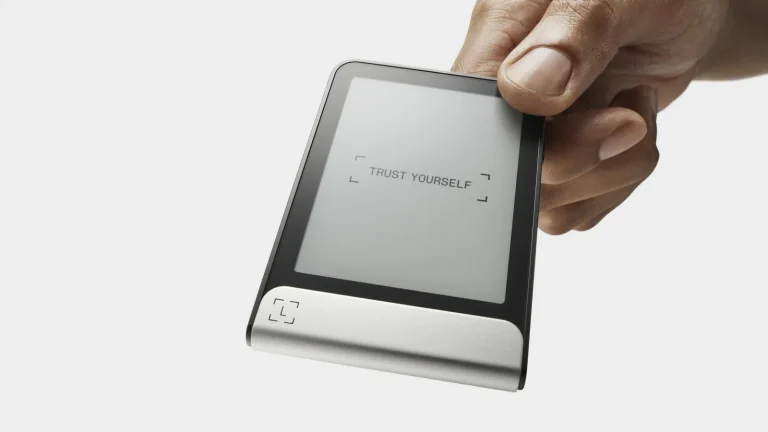
The Ledger Flex costs $249 and puts a 2.8-inch secure touchscreen in front of your keys, but it only earns the price if you sign transactions often.

Rabby Wallet is a free, open-source EVM wallet that simulates every transaction before you sign, and this review covers its security, fees and limits.

Base and Arbitrum are both Ethereum layer 2 rollups that charge gas in ETH and make you wait seven days to withdraw. We compare fees, speed, security, governance and day-to-day use, then say which one suits you.

A step-by-step Trezor Safe 5 setup guide using Trezor's own button labels: seal check, firmware, authenticity check, 20-word backup, PIN, and the settings worth changing afterwards.
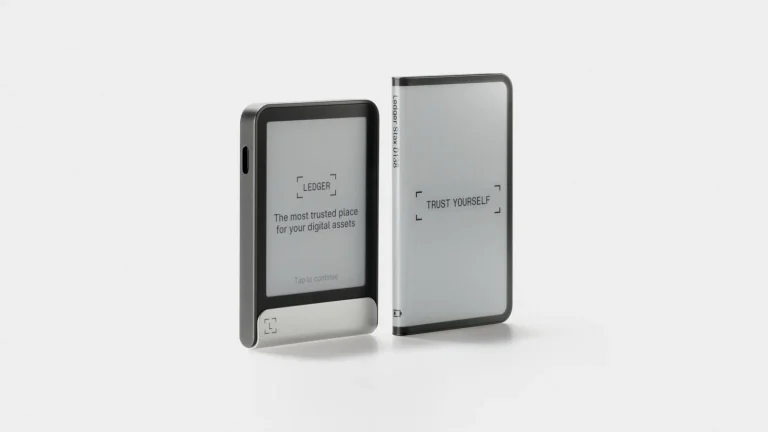
The Ledger Flex costs $249 and the Ledger Stax costs $399, yet they share a chip, an operating system and an app. We compare the screens, the security, the daily use and the value to show what the extra $150 actually buys.

Rabby charges 0.25% on swaps and blocks risky signatures; MetaMask charges 0.875% but holds Bitcoin, Solana and Tron. Here is which one fits how you use crypto.

Your seed phrase is the master backup for every key in your wallet. Here is how it works, what Ledger and Trezor tell you to do with it, and where to keep it.