
The Ledger Nano X has been the default answer to “which hardware wallet should I buy?” since 2019. In 2026 that answer needs more nuance: Ledger now sells newer touchscreen models above it, Trezor’s current lineup has closed its old security gaps, and the Nano X’s once-novel Bluetooth is no longer unique. This review covers what the device does well, where it shows its age, and who should (and should not) buy one today.
One of those newer models gets its own writeup in our Ledger Flex review.
The short version: the Nano X is still a dependable, well-priced workhorse for mobile-first crypto management, but it is no longer automatically the best Ledger for everyone.
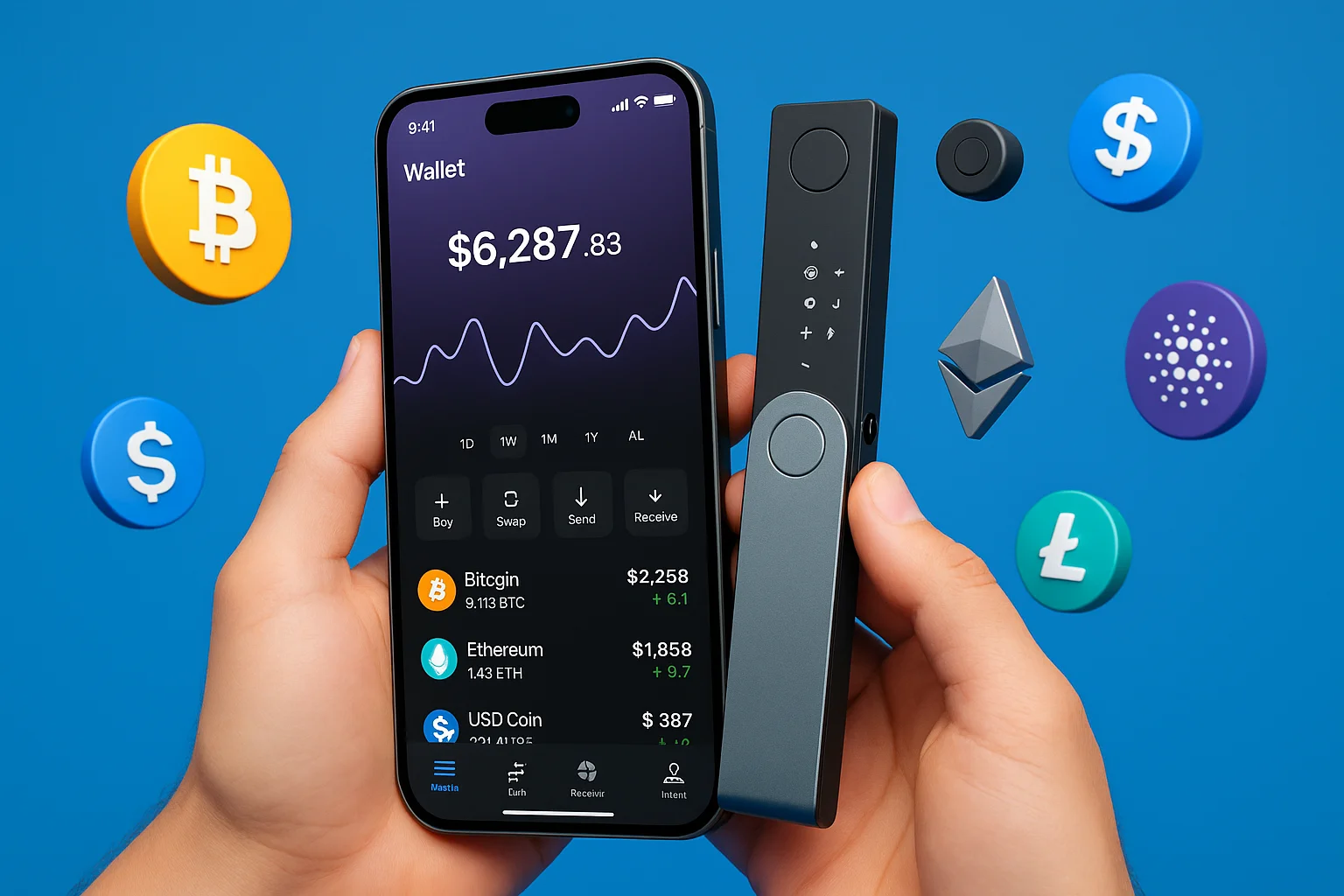
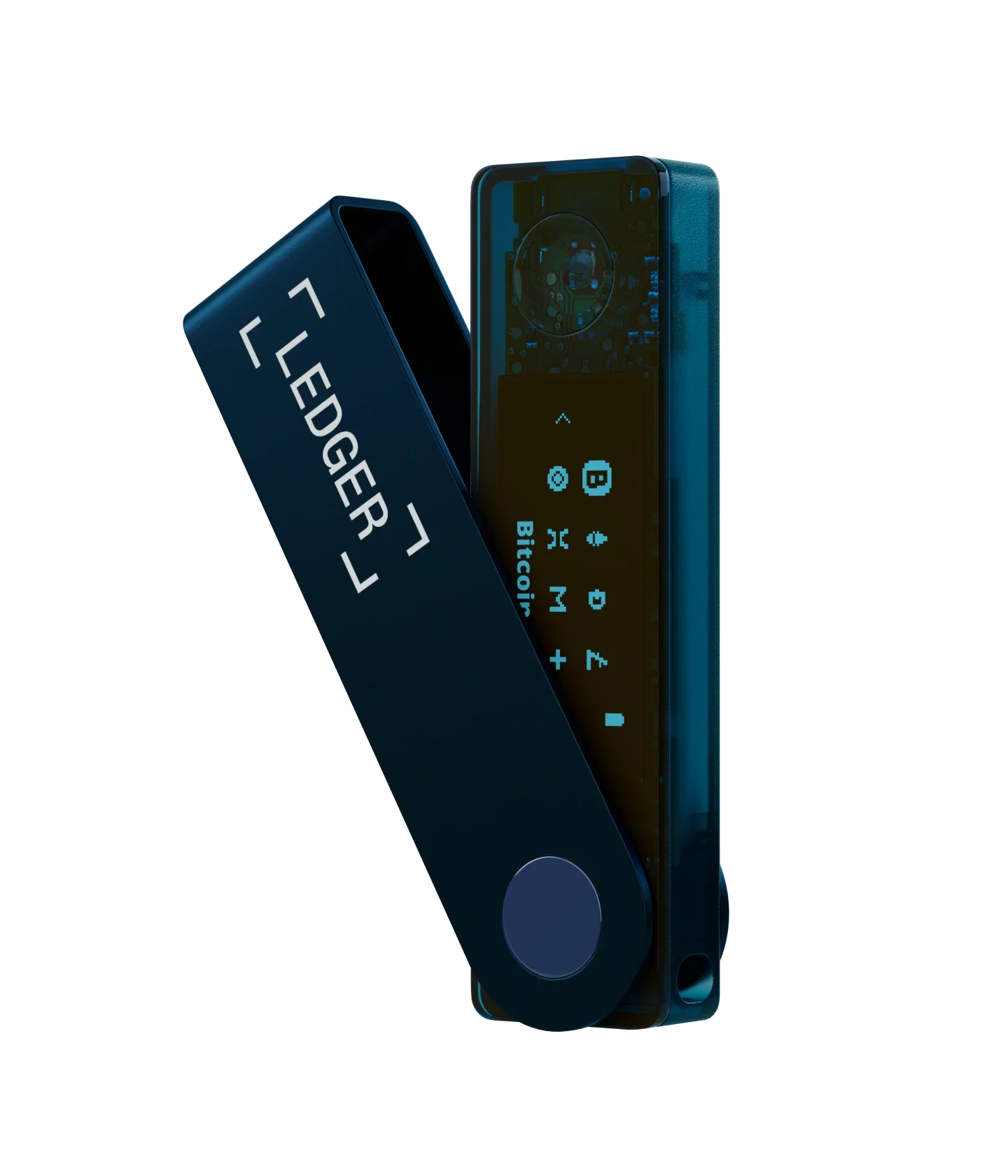
The Ledger Nano X is a Bluetooth hardware wallet with a secure element chip, a built-in battery and a small screen.
Ledger Nano X
Our Ledger Nano X review covers security, features, and real pros and cons so you can decide if this hardware wallet is right for 2026.
Product Brand: Ledger
Product In-Stock: InStock
9
Table of Contents
What Is the Ledger Nano X?
The Nano X is Ledger’s mobile-oriented hardware wallet: a USB-C device with Bluetooth Low Energy and a built-in battery, so you can check balances and sign transactions from your phone without a cable. Your private keys are generated and stored inside a certified secure element chip and never leave the device. The apps on your phone or computer only ever see signed transactions, never the keys themselves.
In Ledger’s 2026 lineup it sits in the middle: above the entry-level Nano S Plus, below the touchscreen Nano Gen5, Flex, and Stax. That position is what makes it interesting. You get most of the security of the flagship models for a fraction of the price.
Features Overview
Here is what stands out in day-to-day use, and where the compromises are.
1. Bluetooth Connectivity
The Bluetooth link is end-to-end encrypted, and, more importantly, your keys never travel over it. The radio only carries transaction data, and every transaction still has to be confirmed by pressing the buttons on the device. If wireless still makes you uneasy, switch Bluetooth off and use the USB-C cable. If you want no radio at all, that is an argument for a Trezor or an air-gapped wallet, not for a different Ledger.
- Encrypted BLE keeps wireless communication private;
- Works with both iOS and Android phones;
- Private keys and sensitive data never leave the Secure Element.
2. Larger Storage for Apps
The Nano X holds around 100 coin apps at once. That matters more than it sounds. On smaller devices, multi-chain users end up uninstalling and reinstalling apps constantly (safe, but tedious). With the Nano X you install Bitcoin, Ethereum, Solana, and a dozen more once and forget about it.
- Runs many blockchain apps at once, with no constant reinstalling;
- Better suited to multi-chain, DeFi, and NFT users;
- Makes managing a portfolio across several ecosystems less of a chore.
3. Mobile & Desktop Support via Ledger Live
Ledger Live, available on iOS, Android, Windows, macOS, and Linux, is the strongest companion app in the hardware wallet space. Portfolio tracking, native staking for major networks, swaps, and NFT management all live in one place. When you need DeFi access beyond what Live offers, the Nano X also pairs with third-party wallets such as MetaMask.
Pairing it with a browser extension instead? Our Rabby Wallet review covers one worth knowing about.
- Works on Windows, macOS, Linux, iOS, and Android;
- One dashboard for tracking your whole portfolio;
- Handles sending, receiving, buying, swapping, and staking for supported assets.
4. Build Quality & Design
The stainless-steel swivel cover and pocket-sized format have held up well since 2019. The real physical limitation is the small 128×64 pixel screen. Verifying a long contract interaction two lines at a time is tedious, and it is the single biggest reason to consider the touchscreen Gen5 or Flex if you sign complex transactions often.
5. Security
Security rests on three things: the ST33 secure element (certified CC EAL5+), Ledger’s own BOLOS operating system, and certification from ANSSI, France’s national cybersecurity agency. Ledger’s in-house Donjon team also attacks its own products continuously. To date, there is no known case of a Ledger device being hacked remotely.
Two things belong in an honest assessment. First, Ledger’s firmware is closed-source, so you trust the company’s process rather than public review. Second, Ledger’s customer databases were breached in 2020 and again in 2025. The devices themselves were unaffected, but the leaked buyer details fueled convincing phishing campaigns. Treat any email or letter about your Ledger as hostile until proven otherwise, and never type your recovery phrase into anything digital.
Upsides and Downsides
Ledger Nano X vs. Other Hardware Wallets
How does the Nano X stack up against its closest rivals? Below we compare it with the Ledger Nano S Plus and the Trezor Model T so you can see which device fits your setup.
Ledger Nano X vs. Ledger Nano S Plus
 Ledger Nano X | 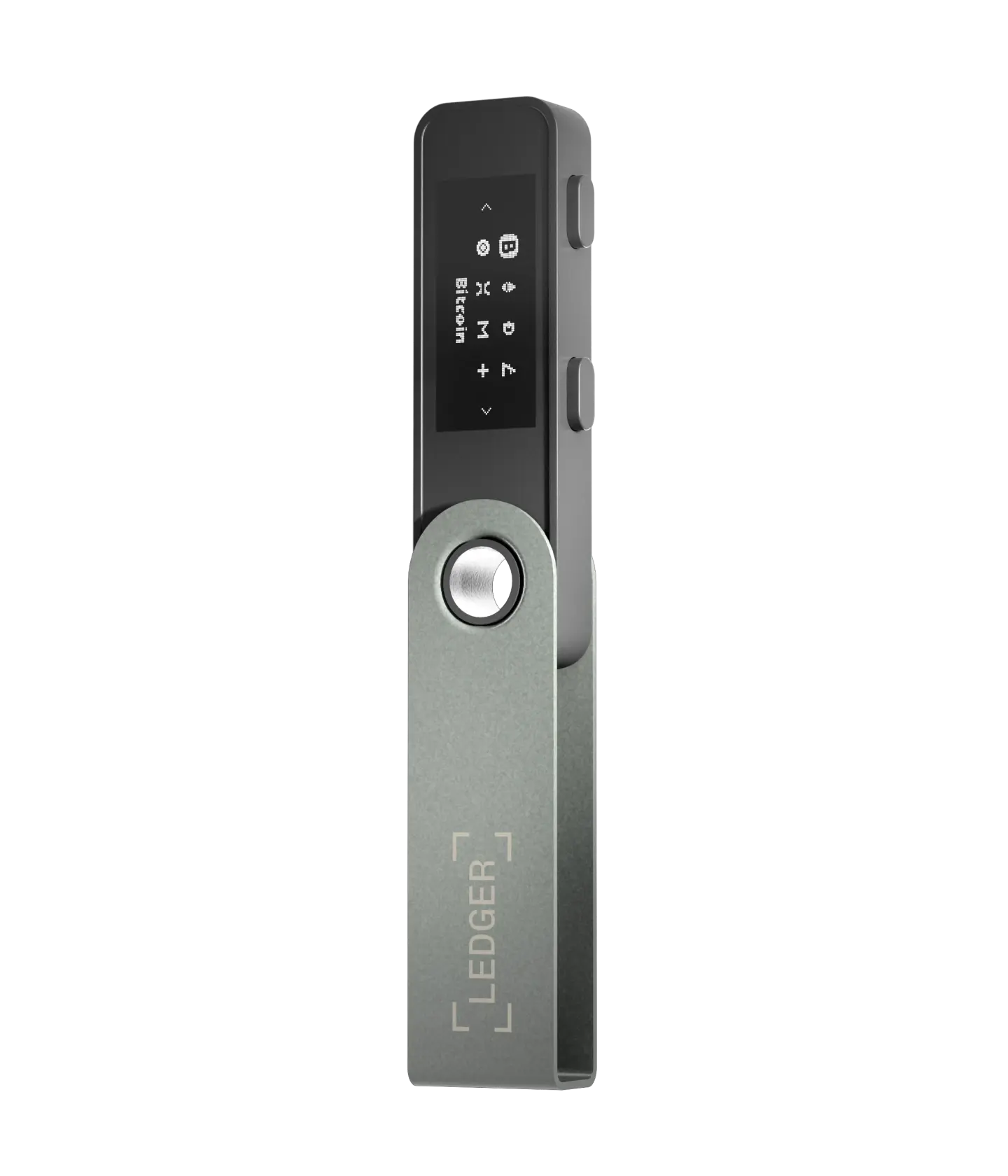 Ledger Nano S Plus | |
|---|---|---|
| Best for | Users wanting mobile management & multi-chain storage | Users who prefer a budget-friendly, wired-only wallet |
| Price | Higher premium price | More affordable |
| Connectivity | USB-C + Bluetooth | USB-C only |
| Storage Capacity | Larger memory, more apps installed simultaneously | Good storage, but fewer apps at once |
| Portability | Built-in battery for wireless use | No battery; must stay connected via cable |
Ledger Nano X vs. Trezor Model T
Ledger Nano X | 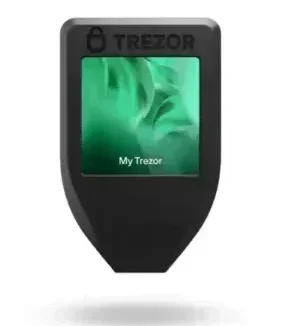 Trezor Model T | |
|---|---|---|
| Security Model | Secure Element (CC EAL5+) + BOLOS | Open-source firmware, no Secure Element |
| Connectivity | USB-C + Bluetooth | USB-C only (no Bluetooth) |
| Supported Coins | 5,500+ assets via Ledger Live + apps | Broad support, but some assets require third-party apps |
| Ease of Use | Simple 2-button navigation + mobile support | Touchscreen interface, no mobile app integration |
| Price | Lower than Trezor Model T | Higher premium price |
For a deeper look at both devices, read our full Ledger Nano X vs. Trezor Model T guide.
Who Should Choose the Ledger Nano X?
The Nano X makes the most sense for a few specific kinds of users. For everyone else, there are cheaper or better tools.
1. Mobile-first users
If your crypto life happens on your phone, this is the cheapest Ledger with Bluetooth and a battery, and pairing with the Ledger Live mobile app is smooth.
2. Multi-asset holders
Support for 5,500+ assets across 70+ blockchains, plus room for 100 apps at once, means portfolio breadth is a non-issue. Entry-level devices handle this less gracefully.
3. NFT users
Ledger Live displays and manages NFTs natively, and confirming marketplace transactions on the device is exactly where scam approvals get caught. The small screen is the trade-off: read what it shows before you approve.
4. Long-term investors
For pure cold storage the Nano X is arguably overkill. A Nano S Plus secures your coins identically for less. Pay the difference only if you will use the mobile convenience.
Decided the Nano X fits? Follow our step-by-step guide on how to set up the Ledger Nano X to get started safely.
Ledger Nano X Pricing, Value, & Where to Buy
Buy only from Ledger’s official store or an authorized reseller. Marketplace listings have a documented history of tampered devices, and after Ledger’s data leaks it is wise to ship to a pickup point rather than your home address. The Nano X launched at $149. Since the Nano Gen5 arrived Ledger has cut the list price to $99, and at that price it is good value.
Decision shortcut: tight budget and desktop use, choose the Nano S Plus ($59). Mobile convenience at the best price, choose the Nano X. Frequent complex transactions or future-proofing, choose the Nano Gen5 ($179) with its larger touchscreen. Distrust of closed firmware, look at Trezor’s Safe line instead. Whichever you pick, your keys stay on the device and in your recovery phrase; nobody, Ledger included, holds them for you.
Our Ledger Nano S Plus review goes further into that cheaper option.
FAQ
What is the lifespan of the Ledger Nano X?
The Nano X is built to last for years; its Secure Element chip and firmware are designed for long-term use. With normal care and occasional firmware updates, most owners can expect 3-5 years. The battery is the part most likely to wear first, and the device still works over USB-C if it does.
Why does the Ledger Nano X keep shutting down?
If your Nano X keeps shutting down, the usual cause is a low battery or the auto-lock timer. Charge it fully and update the firmware. If the problem persists, contact Ledger support.
Can someone steal my crypto from my Ledger?
Not without your PIN and your recovery phrase. Your private keys never leave the device, so your funds stay safe even if your Ledger is lost or stolen: restore your recovery phrase on a new device and you are back in control. The real risk is sharing your 24-word recovery phrase. Keep it offline and private, and never type it into a website or app.
Should I get Trezor or Ledger?
Ledger wins on mobile support and Secure Element protection. Trezor appeals to users who value open-source transparency. Both are strong choices, so it comes down to your setup. Our full Ledger vs. Trezor guide walks through the differences.
Should You Buy the Ledger Nano X in 2025?
As we wrap up this Ledger Nano X review, it’s clear that the Nano X remains one of the best-secured and most versatile hardware wallets available. Its strong security features, Bluetooth connectivity, and enhanced storage capacity make it a powerful option for both beginners and experienced investors.
If you value on-the-go portfolio management, frequently use DeFi or NFTs, or simply want long-term protection for a diverse set of assets, the Ledger Nano X is well worth the investment in 2026.
How I review: Reviewed by Andrei B. I buy the hardware wallets I review, test every product myself and score it on security, UI/UX, ease of use, price and supported coins. Before I publish, I also check recent user reviews and any hack reports.
The whole process is explained on the How We Review page. You can read more about me, or contact me with corrections, from the links at the bottom of this page. For general safety advice, see the FTC guide to cryptocurrency scams.